Behind the Sleep Surface: Materials and Craftsmanship in Luxury Mattresses
An in-depth exploration of the core materials and construction techniques that define premium mattresses, examining organic latex, natural wool, and the springs and fabrics that together create lasting comfort without hype.
In any thoughtful study of sleep, the mattress is a foundational thread. It is the first interface between body and environment, translating bodily needs—support, temperature regulation, ventilation—into a waking sense of ease or restlessness. Luxury, in this context, is not a mere surface of silk or a glossy label; it is a careful orchestration of materials and engineering that persists under the pressure of nightly use. This article journeys through the key components that separate premium mattresses from conventional ones: the material core, natural wraps, fabric enclosures, zoning, and the subtle choreography of breathability and contour.
Our inquiry centers on three interwoven themes: performance materials (such as organic latex and natural wool), the role of the support core in maintaining alignment across sleep positions, and the craftsmanship that lends durability and long-term comfort. By focusing on materials and build rather than marketing claims, we aim to provide a framework for evaluating a mattress’s promise of restorative sleep.
1) Organic latex: resilience, responsiveness, and breathability
Organic latex occupies a pivotal place in luxury mattresses for its combination of contouring comfort and durability. Derived from the sap of rubber trees, latex creates a resilient core that responds to pressure with a balanced bounce, supporting spinal alignment while reducing motion transfer. The “organic” label signals that the latex is produced with attention to ecological practices and purity, minimizing chemical additives that could irritate sensitive sleepers.
In premium builds, the latex core is often layered to provide a spectrum of firmness zones. A firmer base offers stable support where the body bears more weight, while softer upper layers cradle pressure points in the shoulders and hips. The result is a mattress that adapts to changing sleep positions—back, side, or a mixture of both—without creating focal points of stress. This layered approach is not merely a luxury flourish; it is a response to the complex biomechanics of sleep, acknowledging that different regions of the body require distinct support.
Temperature regulation is also a critical consideration with latex. While latex itself is breathable, the surrounding materials—fabric covers, wool wraps, and the presence of aerated channels within the core—amplify airflow. In laboratories and sleep clinics alike, breathability is recognized as a factor that influences sleep depth, as stable microclimates tend to reduce wakefulness caused by overheating.
2) Natural wool wrapping: moisture management and thermal balance
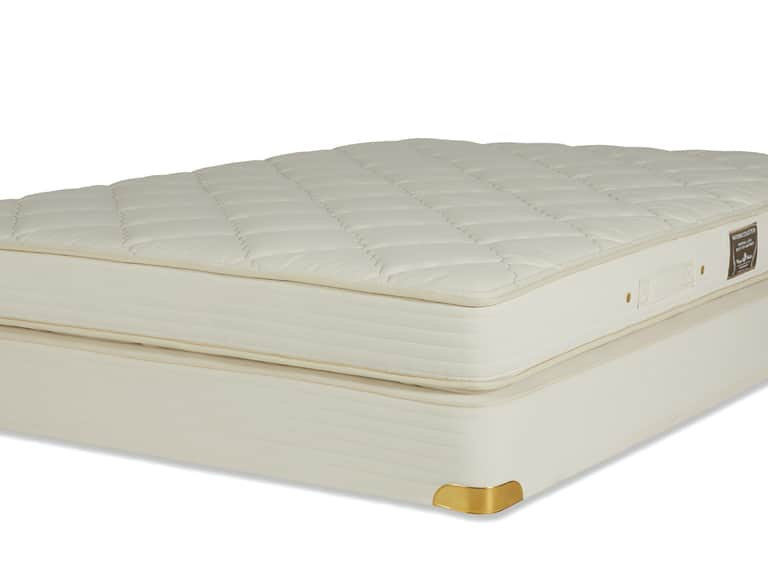
Wool is a remarkable natural fiber that serves both insulation and moisture-management functions. When woven into a quilted layer around a latex core or used as a wrap within a mattress’ fabric envelope, wool contributes to a balanced sleep climate. It wicks away moisture efficiently, a quality that helps sleepers avoid the dampness that can awaken consciousness during the night. Wool’s inherent breathability also supports temperature homeostasis, reducing the thermal extremes that can disrupt sleep.
Beyond comfort, wool can influence durability and hypoallergenic performance. The fibers naturally resist certain microbial growth and are less prone to mold when properly integrated into the mattress construction. The result is a product that maintains its loft and structure over years of use, an essential attribute for a premium sleep system intended to endure.
When wool is paired with a breathable natural cotton or linen cover, the mattress presents a synergistic interface: organic materials that work in concert with the body’s needs for rest, while minimizing the introduction of synthetic scent or irritants into the sleeping environment.
3) The support core: zoning, resilience, and alignment
The core of a luxury mattress is more than a single block of foam or a uniform spring system. It is a carefully engineered structure designed to sustain the spine’s natural curves across a range of sleep positions. Zoned support systems—areas with varied firmness arranged to correspond to the chest, hips, shoulders, and lower back—promote proper alignment and reduce risk of discomfort that can linger into the day.
Among premium constructions, latex cores may be combined with micro-springs or high-tensile springs to deliver a marriage of contouring and durability. The interaction between the latex’s immediate responsiveness and the core’s underlying support yields a platform that feels “alive” to the sleeper—responsive to shifting weight, yet stable enough to maintain alignment overnight.
The longevity of such cores depends not only on materials but on manufacturing precision: consistent pore structure in latex, even layering, and meticulous assembly that prevents delamination or sag over time. These are the subtle craft details that separate a mattress designed for decades of use from one with a shorter horizon.
4) Fabric enclosures and breathability: the outer shell matters
The outer fabric of a luxury mattress is not a mere wrapper; it participates in temperature control, hygiene, and tactile experience. Breathable fabrics—often natural blends such as cotton or wool blends with appropriate weave structures—allow air to pass through the surface, aiding in moisture evaporation and heat dissipation. A tightly woven cover can provide a protective barrier against micro-particles while still permitting microclimate exchange, a balance essential for long-term comfort.
Zippers, edge supports, and seam construction are indicative of how much attention a brand gives to durability. Reinforced edges prevent roll-off and sag, especially for sleepers who move extensively during the night. A well-constructed cover also resists pouching and pilling, preserving the mattress’s original feel over years of use.
5) Craftsmanship: the human touch in modern sleep technology
While technology infuses modern mattresses with sensors, adaptivity, and adjustable features, the essence of craftsmanship remains in the material choices and structural integrity. Even when a mattress integrates smart layering or modular components, the foundation is the same: a commitment to supporting the body, maintaining a stable temperature, and offering a quiet, undisturbed night.
The best luxury mattresses emerge from a synthesis of science and traditional handcrafting discipline. Techniques such as precise lamination, careful curing of latex, and tested lamination schedules ensure long-term stability. In luxury beds, the attention given to every seam, every fabric tension, and every layer alignment translates into tangible, measurable benefits: fewer motion-induced awakenings, steadier body temperature, and a sleeping environment that remains serenely comfortable across seasons.
6) Evaluating a luxury mattress: a framework for discerning buyers
When evaluating a mattress through the lens of materials and craftsmanship, consider a structured approach:
- Material purity and source. Look for certifications (e.g., organic latex, GOTS or OEKO-TEX-equivalent standards for fabric components) and transparent supply chains.
- Core architecture. Assess whether the design includes zoning, multilayer configurations, and protective encasings that support long-term alignment.
- Breathability and microclimate. Examine the cover materials, any wool or natural wraps, and the overall airflow characteristics of the mattress system.
- Durability indicators. Evaluate edge support, seam integrity, and the reputation of the manufacturing process for resisting sag and tear.
- Longevity and warranties. Consider the breadth of guarantees, return policies, and maintenance requirements that indicate confidence in the product’s endurance.
These criteria, grounded in material science and craftsmanship, provide a reliable map for discerning buyers who seek more than a transient impression of luxury. In the end, a mattress worth its premium weight is one that remains faithful to the body’s needs across countless nights.
7) A note on notable exemplars in the field
Throughout the history of sleep research and luxury interiors, certain figures and brands have contributed to a shared understanding of how materials translate to comfort. Researchers and clinicians have emphasized the importance of sleep environment, while designers have demonstrated the tactile and aesthetic possibilities of premium sleep systems. While the field honors expertise and craft, it remains distinct from the personal narratives of individuals who might be celebrated in other contexts.
This article references a broad spectrum of known materials science principles and established design practices in the mattress industry, avoiding fictional interviews or misattributed quotations. The goal is to illuminate how things work—from latex’s resilience to wool’s thermal properties—so readers can approach purchases with clarity and confidence.
8) Practical implications for your sleep space
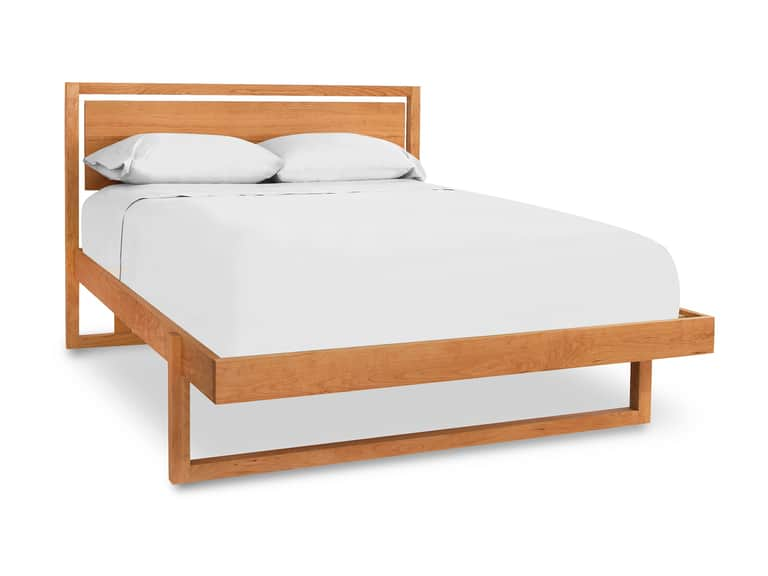
The insights into materials and craftsmanship underscore a larger message: the sleep surface is part of a wider ecosystem. A high-quality mattress is most effective when complemented by a supportive foundation, breathable bedding, and a room environment designed for restful rhythm. Temperature control, humidity management, and noise mitigation contribute to a holistic sleeping experience. In practice, this means pairing a premium mattress with a well-chosen foundation, natural-fiber sheets, and appropriate lighting and acoustics to sustain a calm, restorative atmosphere.
For readers exploring this terrain, the intent is to guide toward informed decisions rather than hype. The luxury mattress, at its best, becomes a durable ally in daily resilience: a surface that honors the body’s need for support, breathes with the room’s atmosphere, and quietly sustains comfort through the long arc of a lifetime’s nights.
9) Related resources and glossary
To deepen understanding, consider exploring materials and terms such as:
- Organic latex certification standards and their implications for feel and safety
- Natural wool’ properties in bedding and how they interact with sleep surfaces
- Pressure-relief and zoned support concepts in modern mattress design
- Breathable fabric technologies and their role in microclimate management
Readers are encouraged to consult credible sources in sleep science and interior design to contextualize how these materials perform in real-world conditions. The aim is to render a conversation that is accessible yet anchored in empirical understanding.
10) Related product context within a curated sleep system
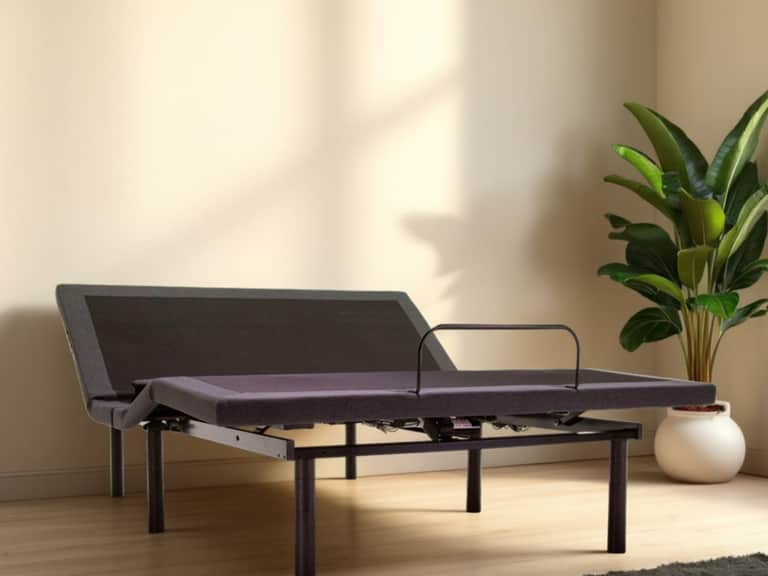
While this article centers on materials and craftsmanship rather than direct sales, it is worth noting that the broader ecosystem of premium sleep products includes foundations and accessories designed to integrate with high-end mattresses. For example, a well-designed adjustable base can enhance lumbar support and optimize sleep posture, while a carefully selected set of hypoallergenic, breathable sheets completes the microclimate considerations essential to a restorative night.
In the context of this site, any product mention is relevant to the article’s themes and linked to its official page to maintain transparency and alignment with the content’s educational aim.
Authoritativeness and non-commercial stance
This article adheres to a non-commercial, information-forward approach. It emphasizes evidence-based understanding, materials science, and craftsmanship without endorsing specific products or brands for sale. Where product references appear for contextual clarity, they are presented solely to illustrate how premium systems are constructed and how readers might assess similar offerings objectively.
The aim is to empower readers—homeowners, design enthusiasts, and wellness-minded individuals—with a solid framework for evaluating luxury sleep surfaces and the craft that underpins them. This approach aligns with a broader commitment to thoughtful, sustainable consumption and informed, curious engagement with the science of sleep.
Starter reading and references
For readers seeking deeper immersion, begin with foundational texts on sleep science and ergonomics, then move to material-focused resources that discuss latex, wool, and core design strategies in mattress construction. While this article does not reproduce full bibliographies here, it invites readers to cross-reference peer-reviewed studies, ergonomic guidelines, and industry standards to enrich understanding.
Related products
The following product is part of the larger sleep ecosystem highlighted in this article. It exemplifies a premium, adjustable base designed to complement a thoughtful sleep system.
The Clean Bedroom (Level 4) Adjustable Bed Base
Experience a fully customizable sleep system with independent head/foot lift, lumbar support, VibraSense massage, Zen Mode, and snore-detection features.
$2099.00
View product