Mattress comparison · Sleep comfort
Vispring Regal Superb vs. Baronet Superb: What to Compare Before Choosing
Two familiar names can suggest a simple choice. A mattress is less simple: its feel emerges from layers, materials, tension, foundation, and the sleeper resting on it. Before choosing between the Vispring Regal Superb and Baronet Superb, compare current, model-specific specifications and test how each responds to your body—not what a name, reputation, or price seems to promise.
Published October 17, 2026
A mattress comparison begins with a deceptively basic question: what, exactly, are you comparing? Names such as Regal Superb and Baronet Superb can carry expectations of craftsmanship and luxury, but they are not a substitute for a current specification sheet. Mattress configurations may differ by size, market, retailer, production period, and selected firmness. A detail listed for one version should not automatically be assumed to apply to another.
That distinction matters because a bed is not a static object in a showroom. It is a sleeping surface shaped by the interaction of its construction with a person’s posture, weight distribution, movement, temperature, and foundation. A mattress that feels reassuringly supportive during a brief visit may feel quite different after several hours in one position. Conversely, an unfamiliar first impression may soften or change as the body settles into the materials.
This guide offers a method for comparing the Vispring Regal Superb and Baronet Superb without asserting unverified differences between them. The aim is not to declare a winner from the model names alone. It is to help you gather reliable facts, ask focused questions, and judge each mattress against the sleep experience you actually want.
Start with the specifications, not the story
Before visiting a showroom or weighing opinions, obtain the current written specifications for both models in the size and configuration you are considering. Ask for details that identify the actual version, not simply a general catalogue entry. If information comes from a retailer, request confirmation that it applies to the exact model being quoted and to your region.
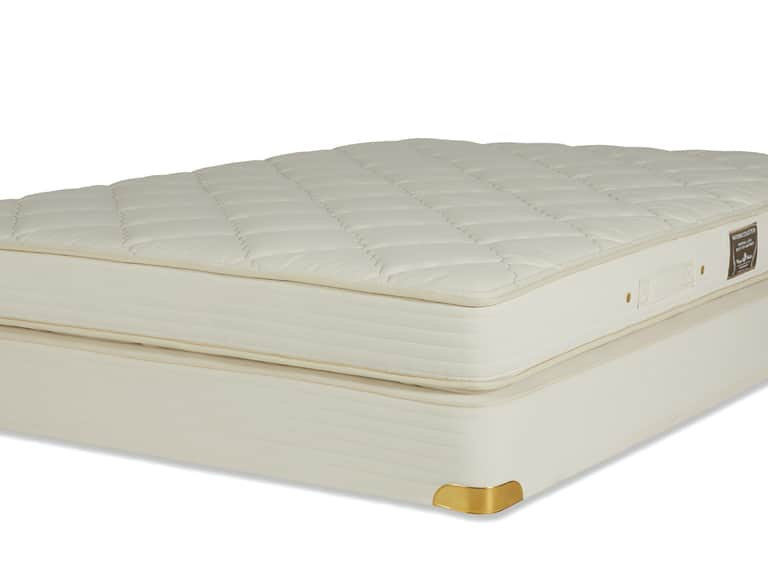
Useful points to compare include the stated construction, materials, upholstery or comfort layers, spring or support system details, available firmness choices, and whether the two sides can be configured differently. Ask whether the quoted description refers to a mattress alone or a complete sleep system that includes a base. Clarify whether any options change the construction, height, feel, care requirements, or warranty conditions.
Keep a simple comparison record. Write down the date of each specification, the seller or authorized source, and the exact size and firmness under discussion. A small difference in wording can matter: a general statement about a model family may not describe a particular size or made-to-order configuration. If two sources disagree, treat the discrepancy as a question to resolve rather than choosing whichever description sounds more appealing.
- Construction: What materials and layers are documented for this exact version?
- Comfort options: Which firmness choices are currently available, and do they vary by size or market?
- Dimensions: What are the finished mattress height and measurements for the selected size?
- Foundation: What base is specified, and are there requirements for slats, spacing, support, or compatibility?
- Care and terms: What do the warranty, maintenance, delivery, and return or comfort-exchange policies actually say?
These questions do not assume that one Vispring mattress uses more of a particular material, has a different spring count, or feels softer than the other. They create a basis for finding out whether such differences are documented—and whether they matter to you.
Separate firmness from support
Firmness describes the impression a sleeper gets at the surface: plush, balanced, or firm are common terms, though they are not universal measurements. Support describes how the mattress holds the body in a comfortable position. The two ideas are related, but not interchangeable. A softer-feeling surface can still support a person well; a firm surface can still be a poor fit if it creates pressure or leaves the body feeling uneven.
Labels alone cannot settle the comparison. One manufacturer’s “medium” may not feel like another’s, and a person’s size, shape, posture, and expectations affect perception. Even two mattresses carrying the same firmness label may feel distinct because their construction and surface materials respond differently. Ask the seller to explain how each available option is defined, then test the actual configurations rather than relying on the words printed beside them.
During a trial, notice more than the first sense of softness. Do your shoulders and hips settle comfortably? Does your lower back feel at ease? Do you feel held in a stable position, or are you bracing against the surface? There is no single sensation that proves a mattress is right, but persistent pressure, discomfort, or a feeling of being unsupported are useful signals to investigate.
For a meaningful Regal Superb versus Baronet Superb comparison, test options that correspond to your likely purchase. If one model is available in a different firmness than the one you intend to order, that showroom experience is not a direct comparison. Record which version you tried and what the salesperson says about the configuration available for home delivery.
Let your sleeping position guide the test
Sleep position offers a practical starting point, not a rigid rulebook. Side sleepers often pay close attention to pressure at the shoulder and hip, while back sleepers may focus on how comfortably the torso and pelvis are supported. People who sleep on their stomachs may be especially sensitive to a surface that lets the middle of the body sink more than feels comfortable. Many people change position through the night, so the mattress should be assessed across more than one posture when possible.
Lie in your ordinary position for long enough to notice what happens after the first few moments. Then change positions. Ask yourself whether movement feels natural or effortful, whether the surface settles quickly, and whether you experience a sense of being caught in a hollow. The answers are personal, but observing them in a consistent way makes the comparison more useful.
Sleep partners should test together if they share a bed. Consider whether both people can lie comfortably in their usual positions, how much movement each notices, and whether the available configuration accommodates different preferences. A showroom visit cannot recreate a full night, but it can reveal points that deserve follow-up—especially when one person prefers a more yielding surface and the other wants a firmer feel.
Do not try to diagnose a health condition from mattress feel. Persistent pain, numbness, or sleep disruption can have many causes beyond the bed. If symptoms are ongoing or concerning, seek appropriate clinical advice. The purpose of a mattress trial is to assess comfort and practical fit, not to replace medical evaluation.
Give the showroom test a method
A showroom holds its own small landscape of distractions: lights, conversation, unfamiliar pillows, and the knowledge that someone may be waiting for a decision. A structured test can help cut through that noise. Wear comfortable clothing, use a pillow similar to the one you normally sleep with, and spend several minutes on each mattress in your usual position. If possible, test both models under similar conditions and return to each one after trying the other.
Keep the comparison fair. Use the same pillow, posture, and amount of time on both surfaces. Ask which model is on display and confirm its firmness and size. If the mattress rests on a showroom base, find out whether that base matches the intended home setup. The feel of a sleep surface can be influenced by what supports it, so the display arrangement is part of the evidence.
- Rate initial comfort, pressure points, ease of movement, and overall stability separately.
- Note whether your impression changes after several minutes rather than judging only the first contact.
- Ask the salesperson to identify the displayed configuration in writing.
- Repeat the test if you feel rushed, distracted, or uncertain about what you experienced.
A short trial is not a guarantee of how a mattress will feel after repeated nights. It is a first screening. Before purchase, learn whether a comfort trial, exchange, or return option is available, what conditions apply, and whether transport or other fees are involved. Do not assume that a policy exists—or that one seller’s policy applies to another seller’s purchase.
Construction is a system, not a headline
Luxury mattress descriptions often use evocative language about natural materials, careful making, and layered comfort. Those details can be informative, but they should be translated into specific questions. Which materials are present in the model being considered? Where are they placed? Are they part of the support structure, the comfort layers, the cover, or the upholstery? How does the maker describe their intended role?
Ask for the composition of each model rather than relying on broad claims about the brand. If a specification uses terms that are unfamiliar, request a plain-language explanation. It is reasonable to ask how construction relates to the feel you experienced, while recognizing that material names alone cannot predict the perfect mattress for every sleeper. Two people may respond differently to the same arrangement, and a longer test at home may provide information a showroom cannot.
Construction also affects practical matters. Ask about mattress weight, turning or rotation guidance, ventilation, cleaning limitations, and whether the cover can be removed. Verify instructions from the manufacturer rather than applying generic care advice. A mattress may have particular handling or maintenance requirements, and improper care could affect its condition or warranty.
Where the documentation does not offer a clear distinction between Regal Superb and Baronet Superb, avoid filling the gap with assumptions. “Superb” in a name is not a technical description, and a grander-sounding title does not establish a particular layer, firmness, material, or performance advantage. The reliable comparison is the one supported by current facts and a direct comfort test.
Check the base and the whole sleep system
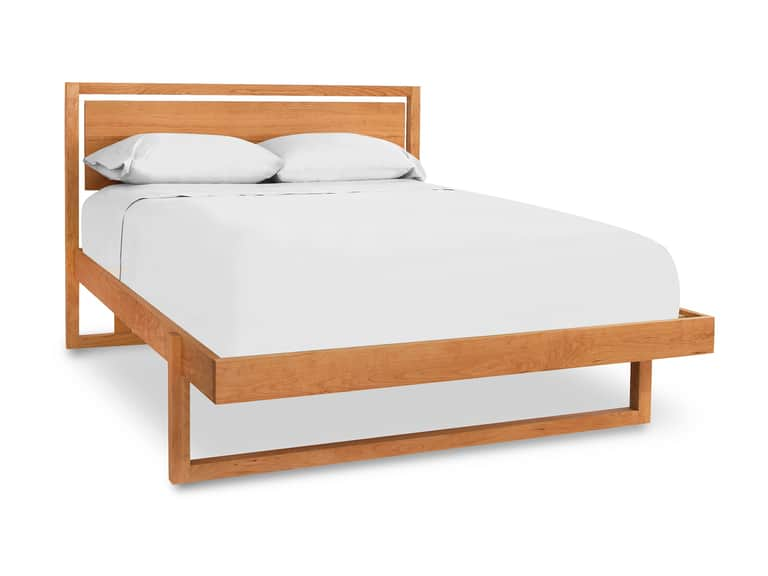
A mattress does not rest in isolation. Its foundation influences the conditions under which it is supported, and an unsuitable or incompatible base can complicate an otherwise promising choice. Before deciding between these Vispring mattresses, confirm the base requirements for the exact model, size, and configuration. Ask about any specified slat spacing, support structure, or restrictions on the type of base.
If you are keeping an existing frame or foundation, describe it accurately and ask whether it meets the maker’s requirements. A base that appears sturdy may still have dimensions or a design that needs checking. Also consider the complete bed’s height: mattress thickness combined with the base affects how easy it is to get in and out of bed, how fitted sheets will sit, and whether the finished setup works with the room.
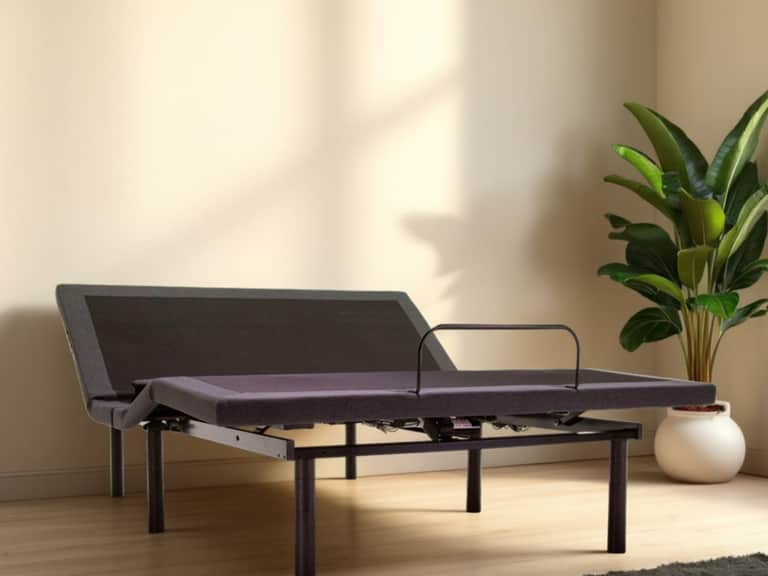
Some shoppers consider an adjustable base, but compatibility should never be inferred from general descriptions of a mattress category. Get confirmation for the particular model and setup, including any limits or conditions. If an adjustable base is part of the plan, confirm the mattress dimensions, foundation requirements, and warranty terms before ordering. That step is more reliable than guessing from a product name or an informal comment.
Think of the bed as a system: mattress, base, pillows, sheets, and the climate of the room all contribute to the nightly experience. A surface that seems uncomfortable may be affected by a pillow that is too high or a room that is too warm. That does not make mattress choice unimportant; it simply places the mattress within the broader environment where sleep happens.
Consider temperature, movement, and shared sleep
Comfort is not only a matter of pressure. Warmth, humidity, the feel of the cover, and the sleeper’s bedding can influence whether a surface feels restful. If you tend to sleep warm, ask how the construction is described in terms of airflow and moisture management, and pay attention to whether you feel noticeably warmer during a showroom test. Treat marketing language as a prompt for questions rather than proof of a guaranteed temperature outcome.
People sharing a bed may also want to discuss movement. Ask what information is available about motion transfer, then test the practical experience: while one person lies still, the other can change position gently. A showroom test has limits and cannot reproduce the full range of movement at home, but it can help identify whether motion is a concern worth investigating through a trial policy.
For couples with different preferences, clarify what configurations are offered and whether firmness can be selected independently for each side. Do not assume that a split arrangement or any other customization is available simply because the mattress is premium. Ask which options exist for the exact model and size, and whether they change the price, construction, or bedding requirements.
Temperature and movement are subjective, just as firmness is. A material description cannot promise that every sleeper will remain cool, and a single showroom test cannot establish how two people will sleep together over time. The goal is to combine documented details with observations that reflect your own habits.
Compare durability, warranty, and ownership terms carefully
A mattress is a long-term household decision, so look beyond the first impression. Ask how the maker recommends caring for each model, whether it needs turning or rotation, and what limitations apply to cleaning. Confirm whether the warranty is limited, how long it lasts, what it covers, and what conditions could affect a claim. Read the actual terms rather than relying on a verbal summary.
Warranty coverage and comfort satisfaction are different things. A warranty may address defined manufacturing issues while not guaranteeing that a mattress will feel right to every person. Ask separately about delivery, setup, removal of an old mattress, trial periods, exchanges, returns, and any related fees. Policies can vary by seller and location, and the rules in force on the day of purchase are the ones that matter.
Also compare practical fit: the path through the home, stairways, doorways, bedroom access, and the frame’s capacity for the selected size and weight. A mattress that cannot be delivered or installed without complications is not a useful choice, whatever its showroom appeal. Clarifying logistics before purchase can prevent avoidable surprises.
When comparing cost, consider the full arrangement rather than the mattress price alone. The base, delivery, accessories, and policies may change the total commitment. A higher price does not prove a better personal fit, just as a lower one does not establish inferior comfort. Value is a relationship between verified construction, your experience, the complete purchase terms, and how well the bed suits your needs.
A practical side-by-side checklist
Use this checklist after you have gathered the current information for both models. Fill it in with facts rather than impressions where possible, and keep subjective notes clearly separate from specifications.
- Exact version: model name, size, firmness, market, and date of the specification.
- Documented construction: materials, layers, and any stated differences between the Regal Superb and Baronet Superb.
- Comfort in your position: shoulder, hip, back, and overall pressure observations.
- Movement: ease of changing position and any concern about partner movement.
- Temperature: showroom observations and verified information about materials or construction.
- Base fit: compatibility, support requirements, dimensions, and total bed height.
- Ownership: care, warranty, delivery, trial or exchange policy, and total cost.
- Confidence: unresolved questions you want answered before placing an order.
After filling it out, look for the difference that matters most to you. It might be a documented construction distinction, a comfort option, a clearer fit with your base, or simply the way one mattress feels during a careful trial. If the evidence does not establish a meaningful difference, that is useful information too. It may indicate that personal testing and the exact available configuration should carry more weight than the name on the label.
Which one should you choose?
Choose the Vispring Regal Superb or Baronet Superb only after matching the model’s verified details to your preferences and circumstances. The better choice is not necessarily the one with the more imposing title, the highest quoted price, or the strongest showroom first impression. It is the configuration that feels comfortable to you, meets the maker’s support requirements, suits your sleep habits, and comes with terms you understand.
If the Regal Superb feels better in your ordinary sleep position, that observation deserves attention—but confirm you tested the version you can actually buy. If the Baronet Superb provides the more convincing fit, apply the same scrutiny. If both feel similar, compare the documented construction and ownership details, and ask the authorized source to resolve any gaps. There is no benefit in inventing a distinction that the available evidence does not support.
Sleep is a recurring journey through changing posture, temperature, and the quiet hours of the night. A mattress decision is best made with equal patience: inspect the facts, test without rushing, and leave room for the individual body to have the final say. In this Regal Superb versus Baronet Superb comparison, careful questions are not a detour from the choice. They are the clearest route toward one that fits.