Investing in Sleep: How Luxury Bedding Transforms Rest, Health, and Home
Premium sheets, pillows, and mattress protectors do more than adorn a bed. They sculpt a sanctuary where health, mood, and daily productivity begin each night. Drawing on centuries of craft, modern materials science, and the evolving language of luxury, this guide examines how to assemble a sleep environment that looks as good as it feels—and supports your well-being around the clock.
The Anatomy of Luxury Bedding
Luxury in bedding is less about ostentation and more about purpose-built comfort, breathability, and longevity. At the heart of premium sleep lies three core principles: temperature regulation, tactile serenity, and durable hygiene. The best luxury bedding combines textiles that respond to your body’s rhythms: linen that breathes, organic cotton that remains soft wash after wash, and natural latex or wool that stabilizes temperature without trapping moisture.
In practice, this means selecting materials that align with your climate and sleep posture. A cotton sateen sheet may feel cool to the touch yet cradle you with a silky hand; organic linen sheets can wick moisture while developing a softened character through repeated laundering. Mattresses and pillows benefit from encasements and protectors that block allergens and spills without creating a quilted, heat-denying barrier. The result is a layered bed that performs as an integrated system rather than a collection of disparate pieces.
Key Materials: What to Look For
-
Organic cotton offers a clean spectrum from percale to sateen, emphasizing breathability, softness, and non-toxicity. It is a common thread across premium sheets, duvet covers, and pillowcases, with certifications like GOTS validating organic processing.
-
Linen—especially organic flax linen—delivers a breathable, moisture-wicking surface with a natural, textural aesthetic. It’s lauded for year-round comfort and a luxurious, slightly relaxed drape that improves with use.
-
Natural latex and wool provide adaptive support in pillows and comforters. Latex offers contour and resilience, while wool excels at temperature regulation and moisture management.
-
Encasements and protectors with non-toxic membranes and GREENGUARD Gold-certified fabrics help preserve mattresses and improve sleep hygiene without compromising comfort.
From Theory to Practice: A Cohesive Sleep Environment
Crafting a cohesive sanctuary means aligning sheets, pillows, and protectors into a single sensorial language. The goal is not merely a tactile sensation but a holistic experience—temperature stability, quiet nights, and a perception of timeless luxury that endures beyond seasonal trends.
We can illustrate this with a practical pairing: a Vispring Lux Skirted Mattress Protector combined with Sleep and Beyond organic cotton percale sheets, a Naturepedic organic pillow family, and a Sleep and Beyond myComforter to lock in warmth when needed. The ensemble emphasizes breathability, adjustability, and a durable, non-toxic construction that can be enjoyed for years.
Historical Voices: Three Figures Who Shaped Sleep Comfort
Hypatia of Alexandria (c. 370–415 CE)
A luminary of science and inquiry, Hypatia’s era prized contemplative rest as a foundation for intellectual clarity. Though not a designer of bedding, the ancient world’s attention to comfort—sheets, linens, and bed architecture—reflected a belief that the environment shapes thought. Luxury bedding in her time was tied to materials like linen and wool, symbolizing status and refinement while ensuring sleep that restored mind and body for the day’s pursuits.
Louis Comfort Tiffany (1848–1933)
A patron of beauty in the home, Tiffany’s aesthetic bridged art and daily life. In the realm of sleep, luxury meant layering textures and light-admiring textiles that create a serene bedroom atmosphere. The concept of curated bedding—balanced color, texture, and craftsmanship—echoes Tiffany’s philosophy of elevating everyday spaces into curated ambiances that calm the senses before sleep.
Margaret Knight (1838–1914)
An inventor who understood practical solutions, Knight’s innovations reflect the modern bed’s protective technologies. The lineage of mattress protectors, allergen barriers, and washable fabrics owes much to the ethos of durable, hygienic design—principles that inform today’s luxury encasements and bedding systems aimed at longevity and ease of care.
Product Spotlight: Vispring Lux Skirted Mattress Protector
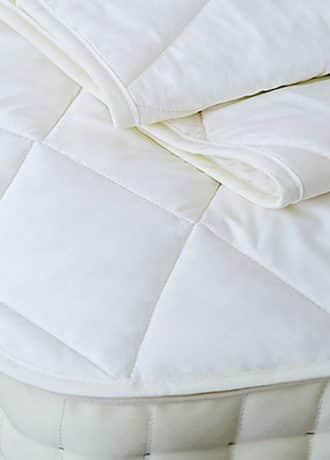
A defining model of luxury hygiene and enduring design, the Vispring Lux Skirted Mattress Protector exemplifies the marriage of comfort and care. Crafted from pure organic cotton and filled with British wool, this protector fits snugly with a fully elasticated skirt, forming a quiet, breathable barrier against spills, oils, and dust. Its wool filling provides natural insulation and moisture regulation, a reminder that premium sleep begins with an environment that respects both body and fabric.
Care is straightforward: wash monthly on a gentle cycle with cold water and like colors, then line dry or tumble dry on low. The absence of whiteners and bleach preserves the delicate integrity of natural fibers, ensuring the protector remains soft and durable for years.
Vispring Lux Skirted Mattress Protector (Sample Display)
Price: 615.00 USD
Brand: Vispring
Product Spotlight: Sleep and Beyond myComforter
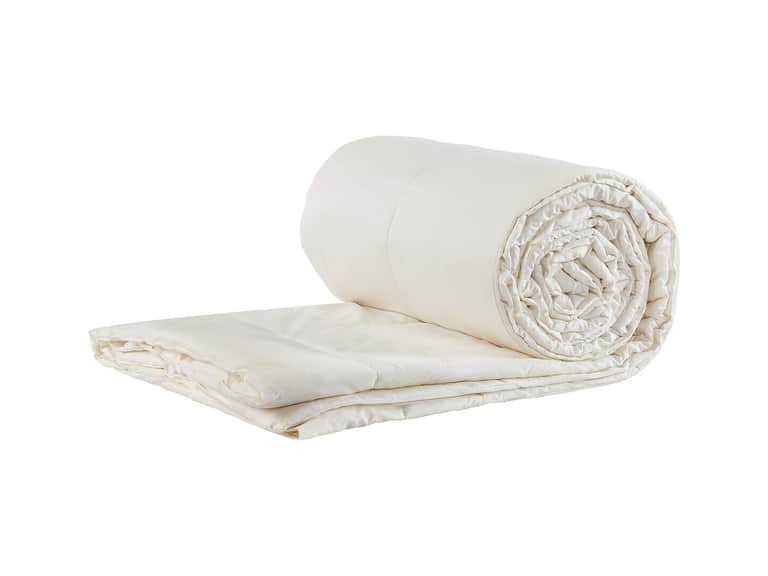
A wool-filled comforter designed for temperature regulation across the seasons, the myComforter embodies the essence of natural luxury. Its wool filling wicks moisture, breathes with your movements, and remains hypoallergenic thanks to its natural properties. Encased in a 270-thread cotton sateen, this all-natural ensemble offers a tactile softness that rewards a long night’s rest.
Maintenance guidance emphasizes care over frequency: protect with a duvet cover, air regularly, and spot-clean as needed. Wool’s inherent resilience reduces the need for constant washing, helping maintain loft and texture for years.
Sleep and Beyond myComforter
Price: 129.00 USD
Brand: Sleep and Beyond
Guided Choices: Building Your Luxury Sleep Wardrobe
A thoughtful sleep wardrobe blends aesthetics with prudence. Here are three curated pathways, each rooted in the themes of organic materials, temperature regulation, and long-term durability:
- Organic luxury core — Sleep with Sleep and Beyond Organic Cotton Percale Sheet Set and Naturepedic organic pillows, paired with the Vispring protector to curate a pristine, breathable base layer.
- Texture-forward retreat — Libeco Heritage Organic Linen Sheets paired with Naturepedic Linen duvet covers to cultivate depth, subtle sheen, and a refined, tactile bedroom palette.
- Temperature-calibrated comfort — A wool-filled comforter from Sleep and Beyond, latex-based pillows from Savvy Rest or Naturepedic, and a breathable cotton or linen top layer to balance warmth and airflow.
Each path highlights the non-negotiables of luxury sleep: materials that feel good against the skin, systems that harmonize temperature, and designs that endure. The aim is not fleeting trendiness but a sanctuary that ages gracefully with you.
Health, Wellness, and Sleep Science in Everyday Form
Well-being begins at the mattress's edge and radiates outward. Premium bedding contributes to circadian rhythm support—an area where sleep science shows environmental quality matters as much as physiology. Temperature regulation, humidity control, and allergen mitigation all feed into deeper, more restorative sleep.
Contemporary research underscores that disrupted sleep correlates with a host of health concerns, from mood disorders to metabolic disturbances. Luxury bedding—when sourced responsibly and maintained properly—supports consistent sleep onset, reduces nocturnal awakenings, and fosters a more stable sleep architecture. In practical terms, that translates into a bedroom where the air feels breathable, the textiles feel kind to skin and nose, and the bed cradles rather than fights with your body.
Editorial Roundtable: The Editors' Picks
Editor’s Choice: The Vispring Lux Skirted Mattress Protector
A study in restraint and luxury, the Vispring protector embodies the principle that protection can feel like part of the bed’s fabric, not a layer sheathing it. Its organic cotton exterior and wool fill serve as a quiet guardian for your mattress—one that respects the material’s breathability while offering a premium touch.
Why it matters: longevity, hygiene, and tactile luxury converge in a single piece that elevates the sleep environment without shouting.
Editor’s Choice: Sleep and Beyond myComforter
A comforter that reads the room’s temperature and adapts accordingly—wool’s natural regulation translated into a modern, machine-washable format. It’s the kind of product that quietly supports your physiology while letting rest feel effortless.
Why it matters: the seasonless practicality meets luxurious texture in a way that fits real lives.
Conclusion: A Deliberate Path to Sleep Excellence
Investing in sleep is investing in health, mood, and daily performance. Luxury bedding—when thoughtfully chosen and properly cared for—transforms rest from a routine into a nightly ceremony. The materials you select—organic cotton, linen, latex, and wool—signal a commitment to comfort, health, and the planet. The right protectors and encasements ensure that your bed remains a pristine stage for restorative work. And, as history has shown through Hypatia, Tiffany, and Knight—great design endures because it serves human needs with grace, rigor, and an eye for beauty.
In the end, the bedroom becomes more than a place to sleep. It becomes a personal retreat, a reflection of taste and values, and a daily reminder that the best luxury lies in feeling truly well each morning—and ready to meet the day with intention.