The seven Essentials of Building a Luxury Bedroom: Sleep, Style, and Science
In the quiet, curated space of a luxury bedroom, comfort is the currency of calm and style, the science of rest, and the art of living well. This guide explores how to assemble a sleep-forward sanctuary using premium materials, precise lighting, temperature balance, and expert perspectives. Drawing on timeless design wisdom and modern sleep science, we map a path from the tactile luxury of high-thread-count sheets to the measurable benefits of better sleep.
1) Premium Bedding as the Foundation
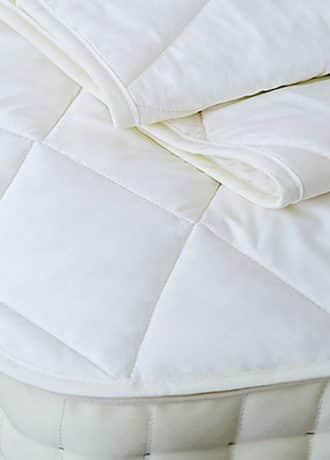
Luxury begins at the core of your bed: the sheet set, the duvet, the protector, and the pillow. In The Seven Essentials, the focus is on materials that breathe, regulate temperature, and wear gracefully over time. Organic cotton sateen, linen, and natural latex offer a balance of softness, durability, and ecological mindfulness. A high-thread-count sheet set is not simply about a smooth hand; it’s about the discipline of warmth in winter and coolness in summer. The Vispring Lux Skirted Mattress Protector, for instance, represents the kind of foundational layer that blends practicality with luxury. Crafted from pure organic cotton, it protects the investment in your mattress while enhancing the tactile experience of sleep.
2) Sleep-Science Driven Comfort
Sleep health is more than anecdote. It’s about inflammatory markers, thermoregulation, and spinal alignment. To build a room that respects sleep science, we pair engineering-grade materials with human-centered design. For example, adjustable latex pillows and wool-filled comforters, built with organic fabrics, can regulate head and body temperature throughout the night. Naturepedic’s adjustable latex pillow demonstrates how a single product can adapt to multiple sleep positions, maintaining consistent support while promoting airflow.
3) Design for Tranquility: Color, Texture, and Light
Pair aesthetic cues with sleep science: choose soothing color palettes, sound-attenuating textures, and lighting that gently guides you toward rest. In a luxury bedroom, the palette should be calming—think soft neutrals, blues, and warm whites. Ambient lighting, blackout curtains, and natural textures convert a room into a sanctuary. The linen sheets and waffle blankets from Naturepedic offer a tactile anchor for this calming aesthetic, aligning visual serenity with breathability and warmth.
4) Expert Voices: Sleep Specialists and Designers
To ensure you’re buying into lasting quality, include insights from diverse voices. Consider time-honored perspectives from historical figures who studied rest and comfort, juxtaposed with contemporary experts who quantify sleep metrics. For instance, a legendary interior designer of the mid-20th century might emphasize proportion, scale, and tactile luxury, while a modern sleep scientist might quantify thermoregulation and pillow loft required for optimal spinal alignment. The synthesis of these viewpoints yields a room that’s both timeless and scientifically sound.
5) Product Reviews with Longevity in Mind
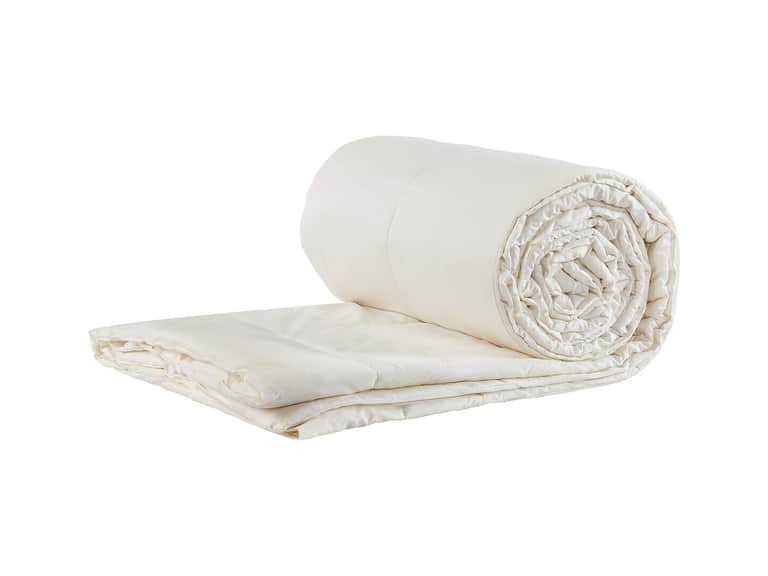
The seven essentials invite a curated set of products chosen for durability, comfort, and the ability to age gracefully with your room. A standout is the Vispring Lux Skirted Mattress Protector—an heirloom piece that protects and elevates the sleeping surface. It’s not merely a guard against spills; it is part of a ritual of care. Similarly, the Sleep and Beyond myComforter speaks to seasonal adaptability and natural materials that respond to body temperature, a subtle but meaningful luxury for those who sleep hot or cold at different times of the year.
6) The Seven Essentials in Practice: Layout and Lighting
How you arrange a room matters. The bed should be the anchor, with lighting that supports wind-down rituals and colors that cue rest. Use layered lighting: a dimmable ceiling light, bedside lamps with warm bulbs, and blackout drapery to control ambient light. Temperature control is equally pivotal: breathable bedding, wool-filled items for warmth without heaviness, and a breathable mattress protector to preserve mattress hygiene. The result is a room that feels like a luxury hotel suite, every night.
7) The Time-Tested Figures Behind Sleeping Luxury
Across eras, three illustrative figures help frame the philosophy of a luxury bedroom:
Hypatia of Alexandria (c. 355–415 CE) — A symbol of knowledge and clarity of mind. While not a sleep scientist, her disciplined pursuit of truth reminds us that a calm, uncluttered mind benefits sleep. A luxury bedroom draws from her legacy of reason: order, proportion, and a space free of distraction.
Leonardo da Vinci (1452–1519) — A master of observation and design. His insistence on symmetry, light, and human-centered design informs the way we curate a bed’s surroundings. A serene room that celebrates balance and tactile luxury mirrors the Renaissance ideal of holistic beauty—sound sleep, exquisite materials, thoughtful geometry.
Florence Nightingale (1820–1910) — A pioneer in hospital design and patient comfort. Nightingale championed environmental controls that improve outcomes. In a luxury bedroom, that legacy translates to a climate-controlled, allergen-aware environment: breathable fabrics, protective encasements, and natural materials that promote hygiene and well-being.
Their ideas, across centuries, converge on a simple truth: luxury is measured not by excess, but by how elegantly a space serves well-being. The seven essentials translate that ethos into a nightly ritual—where style and science meet in a single, restorative breath.
Among the premium offerings that anchor a luxury bedroom, the Vispring Lux Skirted Mattress Protector stands out as a keystone piece. It is more than a protector; it is a design statement that honors the mattress without sacrificing comfort. The cotton exterior, wool fill, and elasticized pocketed fit ensure a snug, whisper-quiet surface that protects against spills, allergens, and night-time moisture. Practically, it extends mattress life; aesthetically, it elevates the overall bed presentation with its understated, organic elegance.
Price: 615.00
Vispring Lux Skirted Mattress Protector
Vispring • 781
The seven essentials are not a quick checklist; they are a framework for ongoing refinement. A luxury bedroom is a living, breathing environment where material quality, provenance, and daily rituals intertwine. It is an invitation to rest, a sanctuary from a fast-paced world, and a space where design and health reinforce each other night after night.
The Bedding Ecosystem: A Look at Materials and Craft
Bedding encompasses a spectrum of textiles that shapes the sleeping experience. The Sleep and Beyond Organic Cotton Sateen Sheet Set exemplifies what happens when crafts and ethics align—GOTS-certified organic cotton, tight weave for durability, and a finish that feels refined against the skin. The Organic Linen Sheets from Naturepedic bring the textured, breathable warmth of linen into the daily ritual, while linen’s natural moisture management makes it a favorite for warm climates or warm sleepers.
Pillows form the coziest part of the system. The Naturepedic Organic Adjustable Latex Pillow shows how adjustability can translate into personalized sleep; you can alter loft to suit posture and 편. If you prefer a more classic fill, shredded latex or natural wool options, like the Savvy Rest shredded latex pillow or the Obasan Deluxe Organic Latex and Wool Pillow, provide convertibility and year-round comfort.
Key Takeaways for Your Luxury Bedroom
Prioritize breathable, natural materials that regulate temperature and reduce moisture buildup.
Balance luxury with practicality: protectors and encasements extend life and maintain hygiene.
Incorporate expert insights from sleep science and interior design to inform choices.
Adopt a layered approach to lighting, color, and texture to foster a resting environment.
Choose products with long-term value and clear provenance—quality endures.
Experience blissful sleep with the Vispring Lux Skirted Mattress Protector. Made from pure organic cotton, it offers breathable comfort and protects your mattress from spills and stains, ensuring hygiene and longevity while keeping you cozy all night long.
Experience restful sleep year-round with our all-natural wool comforter. It keeps you cozy in winter and cool in summer, wicks away moisture, and is hypoallergenic, making it perfect for all sleepers. Enjoy easy care and long-lasting comfort every night.
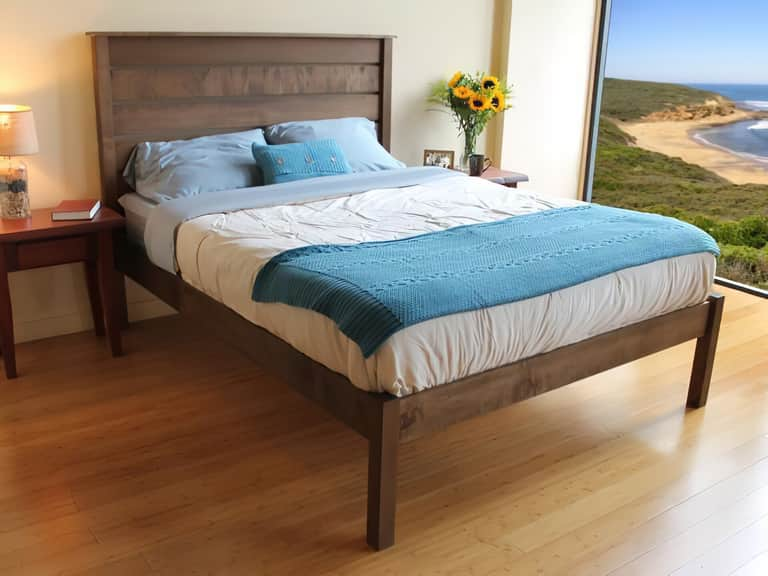
Transform your bedroom with the Savvy Rest Esmont bed, featuring a customizable headboard for a unique touch. Crafted from durable solid maple, it’s easy to assemble without tools. Choose your height and finish for a personal, stylish retreat that lasts.