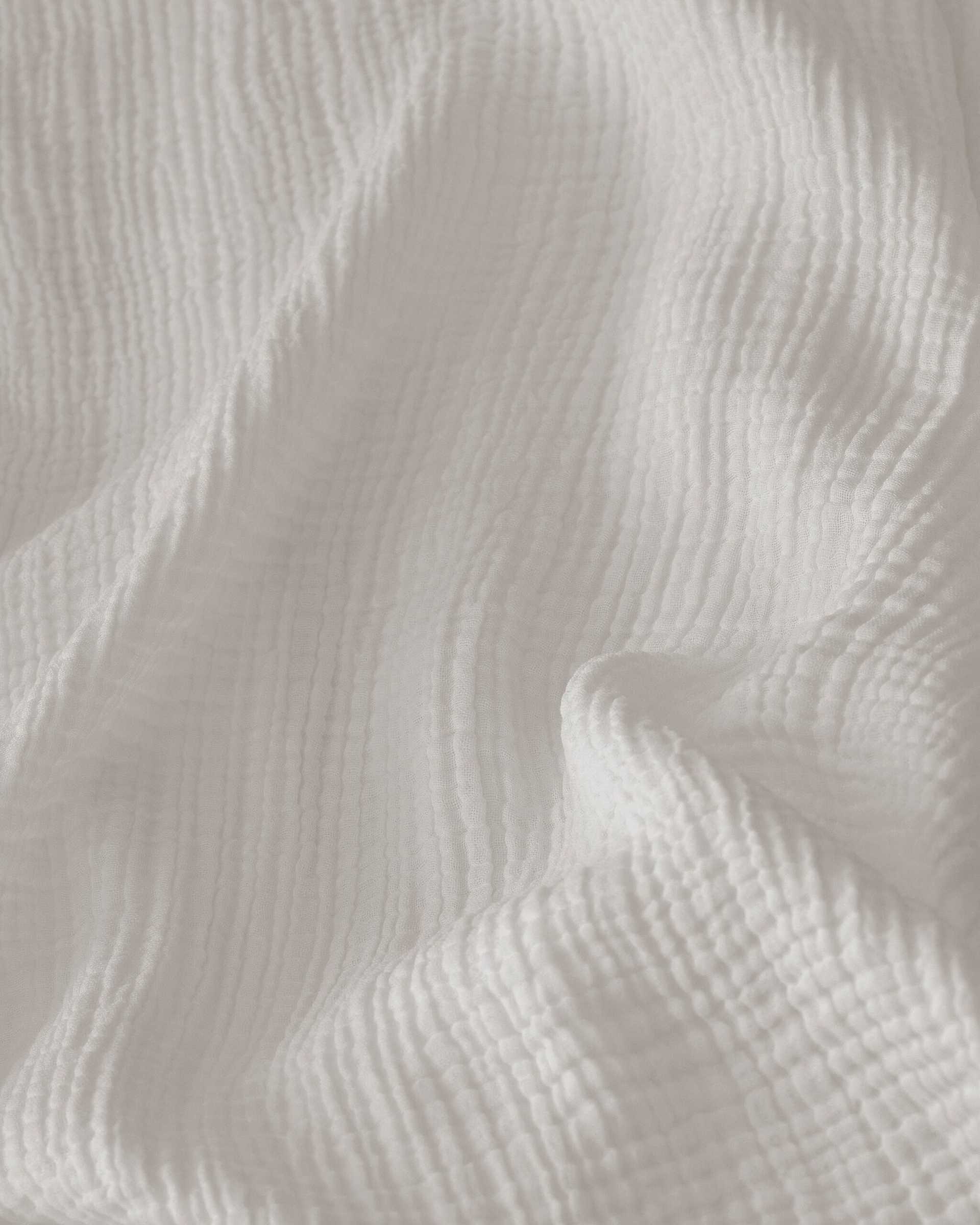
Bed covers are essential layers in a sleep ensemble, offering both aesthetic appeal and functional protection for mattresses. They vary in materials, weights, and weaves, influencing warmth, breathability, and durability. Understanding fabric types—cotton, linen, sateen, and blends—helps users select a cover that supports restful sleep and easy care, while contributing to a room’s overall texture.
Key features to consider include thread count, fabric finish, and compatibility with seasonal climates. High thread counts can improve softness, but breathable weaves like percale promote airflow for cooler sleep, while brushed finishes add warmth. Moisture-wicking and hypoallergenic properties may benefit sensitive sleepers and regulate comfort throughout the night.
In the realm of luxury bedding, bed covers often integrate design elements with practical benefits, such as resistant to wrinkling, easy-care care instructions, and colorfast dyes. For memory foam users or organic mattress enthusiasts, choosing a cover that doesn't trap heat or irritants is important, helping maintain mattress integrity and long-term comfort.
Important product examples include the Free New Bedcover lineup, which highlights varied textures and fiber compositions, along with features like antimicrobial treatments and breathable linings. Each model contributes to sleep quality by offering a balanced feel, temperature regulation, and protection against wear, extending the life of underlying bedding components.
Ultimately, selecting the right bed cover aligns with broader bedding goals, including compatibility with pillows, sheets, and organic mattresses. By evaluating fabric composition, care needs, and functional benefits, users can achieve a cohesive sleep environment that supports comfort, hygiene, and durability across seasons.
 Bedding