Sleep science & materials
What Goes Into a Naturepedic Organic Mattress? Materials, Layers, and Comfort
A mattress is a small landscape of materials: fibers, foams, springs, and fabric arranged to support a body through the night. Understanding how those layers work—and what labels such as “organic” do and do not tell you—can make it easier to evaluate a Naturepedic mattress or any other sleep surface with care.
At first glance, a mattress presents a calm, finished surface. Beneath it lies a more complicated story. Each layer has a task: to cushion, to support, to spread pressure, to help manage warmth, or to keep the components together. The sensation a sleeper experiences is the sum of those parts, filtered through body shape, sleeping position, bedroom temperature, and personal preference.
Naturepedic is known for mattresses positioned around organic and other carefully specified materials, but its models are not all constructed in the same way. Materials, firmness options, and layer arrangements can differ by collection and size. That makes the model’s current specification sheet more useful than a broad assumption about what every mattress under the brand name contains.
This guide offers a practical way to read that construction. It explains common mattress layers, how material choices may influence comfort, and which questions to ask before deciding whether a particular design suits you. It is not a claim that one configuration is best for everyone; sleep comfort is personal, and a material label alone cannot predict how a mattress will feel beneath an individual body.
Start with the whole construction, not a single label
The word “organic” can describe a meaningful part of a mattress, but it does not automatically describe every component or settle questions of comfort, durability, or environmental impact. A mattress may combine certified organic fibers with other materials that have different origins or certifications. The important task is to identify precisely which components are covered by which claims.
When examining a Naturepedic model, look for a component-by-component breakdown. Is the cover made with organic cotton? Is wool used in the quilting or as a fire barrier? Does the support system use coils, latex, foam, or a combination? Are there adhesives, fabric treatments, or other materials that the manufacturer identifies? The answers can vary by model, so check the details for the specific mattress rather than relying on a category description or a general brand statement.
Certifications can help make material claims more legible, but they are not interchangeable. Some standards address how agricultural materials are produced and processed; others assess chemical emissions or restrict certain substances in a finished product. Read the name and scope of each certification, and check whether it applies to a raw material, a finished component, or the mattress as a whole. A seal is useful context—not a substitute for understanding what it covers.
It is also helpful to separate material questions from performance questions. “What is it made of?” and “How will it feel to me?” are related, but not identical. Two mattresses using similar natural fibers can feel quite different if their layer thickness, density, quilting, or support core differs.
The outer layer: fabric, quilting, and first impressions
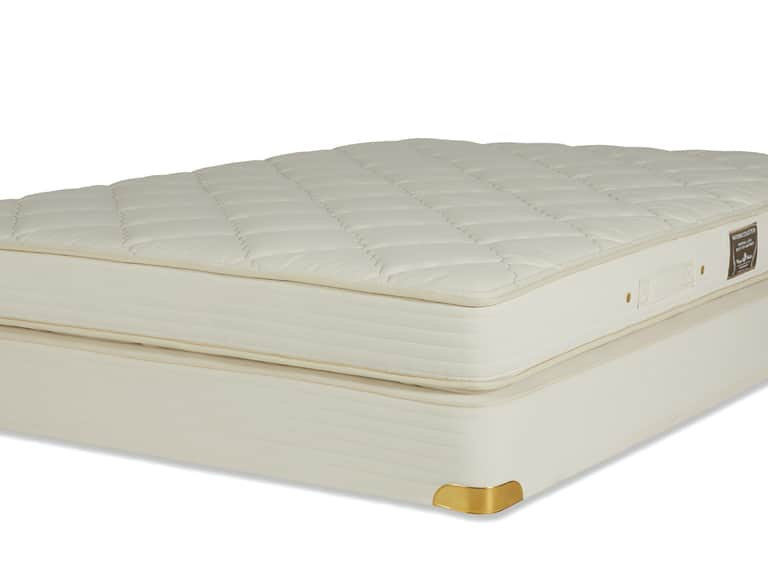
The mattress cover is the first point of contact, and often the part most visible to a shopper. Cotton is widely used in bedding because it is a familiar textile fiber with a soft, breathable feel. In a mattress, the experience depends on more than the fiber name: weave, thickness, quilting, and the materials beneath the fabric all shape how the surface responds.
Quilting can make the top feel more cushioned or more taut. A padded surface may create an immediately plush impression, while a flatter cover may let the underlying support layers speak more clearly. Neither approach is inherently superior. A person who enjoys a gently cushioned feel may welcome one construction, while someone who prefers a more direct, stable surface may favor another.
Wool sometimes appears in mattress construction as a quilted layer or as part of a fire-barrier design. It can add a springy, padded texture and may help buffer changes in moisture and warmth. Its presence, however, does not guarantee that a mattress will feel cool to every sleeper. Heat perception also depends on room conditions, bedding, clothing, body temperature, and the construction beneath the cover.
Ask whether the cover is removable, and follow the maker’s care instructions rather than assuming it can be machine-washed. Many mattress covers are not designed to be taken off for routine laundering. A washable protector can be a practical layer between the sleeper and mattress, provided it fits securely and does not noticeably change the feel of the surface.
The comfort layers: cushioning and pressure distribution
Below the cover, comfort layers help soften the transition from the mattress surface to its deeper support system. Depending on the design, these layers may include latex, foam, fibers, or other cushioning materials. Their thickness and resilience influence whether a sleeper feels gently cradled, buoyed up, or held close to a firm surface.
Latex is valued by many sleepers for a responsive, buoyant feel: it tends to push back as weight is applied rather than allowing the body to sink slowly in the way some people associate with viscoelastic memory foam. Yet “latex” is not a complete comfort description. The type, formulation, density, thickness, and placement of the latex layer all matter. A thin layer over a firm core can feel quite different from a thicker, softer arrangement.
Foam layers can be designed to contour around the body, spread pressure, and reduce the sensation of movement across the bed. Their response depends on the foam’s composition and construction. Temperature regulation is also a whole-system question: a foam’s properties, the cover, the bed frame, the sleeper, and the room all contribute. Avoid treating any single material as a guarantee of a particular sleep temperature.
Natural fibers such as cotton or wool may be used in padding or quilting. Compared with a thick, conforming foam layer, fiber padding can offer a more layered or gently cushioned sensation. Over time, soft materials may compress to varying degrees. How that occurs depends on construction, use, and care; the manufacturer’s guidance and warranty terms can clarify what changes are considered normal.
For Naturepedic models, identify the comfort materials in the exact version you are considering. Product families can include more than one firmness or construction, and specifications may change. A phrase such as “organic mattress” does not reveal the thickness of a comfort layer or the precise response it will have under a shoulder, hip, or lower back.
The support core: the structure beneath the surface
The support core provides the deeper resistance that keeps the body from sinking too far into the bed. In many mattress designs, that structure comes from an arrangement of coils, latex, foam, or a combination. The core’s job is not simply to be “firm”; it should work with the comfort layers to create a surface that feels stable while accommodating the body’s shape.
In an innerspring or hybrid design, coils provide the principal support. Their number, shape, arrangement, and connection can influence how the bed responds to weight and movement. Some coil systems are designed to respond more independently beneath different parts of the body; others have a more interconnected feel. Details such as edge reinforcement may affect how stable the perimeter feels when sitting or sleeping near it.
A latex support core offers a different kind of response, often described as elastic or buoyant. A foam core may provide another balance of contouring and resistance. These descriptions are broad guides, not a promise of personal comfort: a sleeper’s weight, proportions, position, and preferences influence what any core feels like.
Support is sometimes confused with firmness. Firmness is the first impression of how hard or soft a bed feels at the surface. Support concerns how well the mattress keeps the body in a comfortable position across the night. A very firm surface is not automatically more supportive, and a softer surface is not automatically inadequate. The interaction between the layers matters more than a single adjective on a label.
Firmness, body position, and the question of fit
There is no universally correct firmness. Side sleepers often need enough cushioning for the shoulder and hip, while still wanting the waist and trunk to feel supported. Back sleepers may prefer a surface that balances comfort at the hips with support through the torso. Stomach sleepers commonly look for a feel that limits excessive sinking around the midsection, though individual needs differ.
These are starting points, not rules. Body shape, weight distribution, mobility, pain history, and ordinary preference all change the experience. Partners may also have different needs. If a mattress offers separate firmness options or distinct sides, consider how each person will use the bed and whether the configuration works with the frame and bedding.
When testing a mattress, spend enough time in your usual sleeping position to notice whether pressure builds at the shoulder, hip, or other contact points. Consider whether you can change positions easily and whether your body feels evenly supported. A brief sit on the edge or a few seconds lying on your back cannot capture the full experience of a night’s rest.
Check the trial, return, and warranty terms before purchase. Learn how long an adjustment period is expected to last, what condition the mattress must be in for a return, and whether transportation or other fees apply. A return policy is not a substitute for choosing carefully, but it can matter when comfort becomes clear only after repeated nights at home.
Heat, moisture, and the bedroom microclimate
Sleep unfolds in a small climate between the body, mattress, sheets, and room. Materials can influence how that microclimate feels, but no layer works in isolation. A dense mattress protector, thick duvet, synthetic sleepwear, warm room, or limited airflow may alter the experience even when the mattress itself uses breathable materials.
Natural fibers are often chosen for their familiar hand and their ability to interact with moisture, while certain foams are designed to contour and cushion. How these qualities translate into comfort depends on construction and use. If warmth is a concern, evaluate the complete sleep setup: mattress, protector, sheets, blanket weight, room ventilation, and temperature.
Sheets are part of the same system. Cotton percale often feels crisp and relatively light; sateen usually has a smoother, more draped hand. These are general tendencies influenced by yarn, weave, finishing, and laundering. Choosing breathable bedding that suits the room and sleeper can be as meaningful as focusing on the mattress alone.
For persistent night sweating or unusually uncomfortable temperature changes, a mattress may not be the only factor. Room conditions, health, medication, and other influences can contribute. A mattress can support comfort, but it cannot diagnose or resolve a medical cause.
A practical way to read a Naturepedic specification sheet
Before choosing a model, slow down and read its specifications in layers. The following checklist can help distinguish a meaningful construction detail from a broad marketing phrase:
- Confirm the exact model and version. Names within a mattress collection may refer to different heights, firmnesses, or internal designs.
- List every named layer. Note the cover, quilting, comfort materials, support core, and any fire-barrier components.
- Check material claims and certifications. Find out which component a certification covers and what standard it represents.
- Look for thickness and arrangement. A layer’s placement and depth can influence feel as much as its material category.
- Ask about the foundation. Confirm what type of frame or base is supported and whether spacing requirements apply.
- Review care and service terms. Check cleaning instructions, trial rules, warranty coverage, and delivery conditions.
Where a detail is absent or unclear, ask the manufacturer or an authorized retailer for the current documentation. Product pages can summarize complex construction, but a precise specification sheet is a better source for confirming materials in a particular model. Keep a copy of the information you relied on when making your choice.
Organic materials and the limits of a label
Interest in organic mattresses often reflects a broader desire to understand what enters the home and how products are made. That is a reasonable starting point for research. Still, “organic,” “natural,” “non-toxic,” and “chemical-free” do not all mean the same thing, and none should be treated as a complete account of a mattress’s performance or environmental footprint.
Every physical material is made of chemicals, including cotton, wool, and water. More useful questions are specific: Which substances are present? What does the relevant certification evaluate? Does a claim apply to the fiber, the foam, the finished textile, or the whole mattress? What information is available about manufacturing, durability, and end-of-life handling?
Durability also matters when considering environmental impact. A well-made mattress that remains comfortable and usable for many years may avoid an early replacement, though lifespan varies and cannot be determined from a material label alone. Follow care recommendations, use a compatible base, and protect the surface from spills and excessive moisture.
For people with a diagnosed allergy or sensitivity, a material list can help guide questions, but it is not medical advice. Contact the manufacturer about specific components and consult a qualified health professional about individual concerns. “Hypoallergenic” is not a guarantee that every person will be free from symptoms.
The foundation beneath the mattress
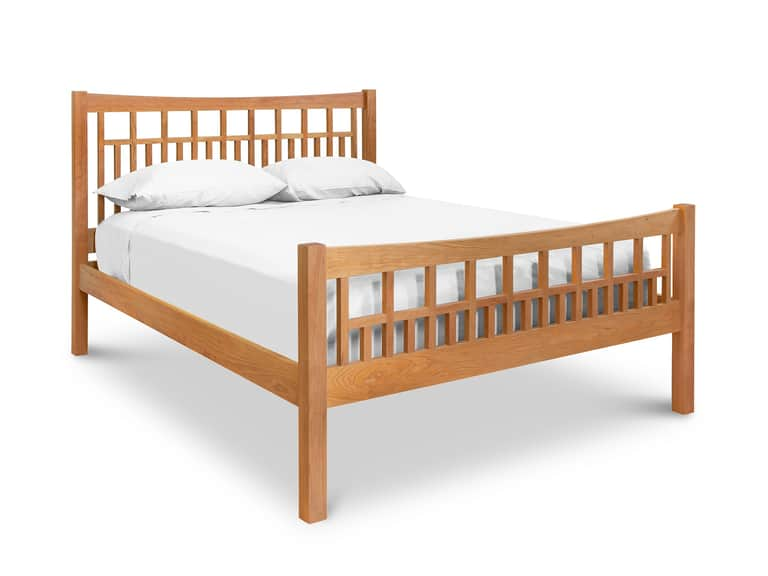
The bed frame is more than furniture beneath the sleeping surface. A mattress needs a suitable foundation to distribute weight and maintain its intended support. Slat spacing, center support, frame dimensions, and the manufacturer’s requirements can all matter. An incompatible base may affect the mattress’s performance and could influence warranty coverage.
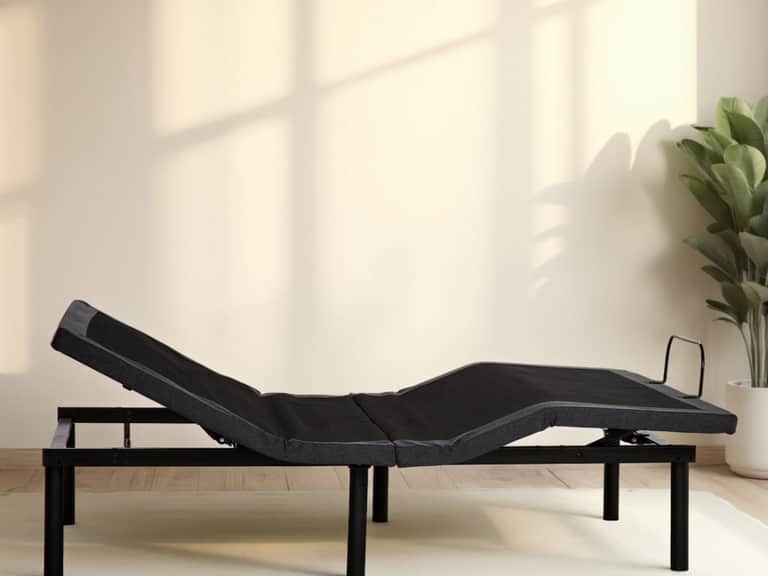
Before placing a mattress on an existing frame, check the instructions for that specific model. A platform, adjustable base, or box foundation may each be appropriate for some designs, but compatibility should be confirmed rather than assumed. Also consider whether the base allows enough airflow for the mattress and whether it supports the full perimeter and center.
Height can affect the practical experience of getting in and out of bed, changing sheets, and using bedside furniture. Mattress thickness is only one part of the total height; include the foundation and frame when planning the room.
Comfort is a system—and a personal one
A Naturepedic organic mattress is best understood not as a single material claim, but as a coordinated assembly. The cover creates the first tactile impression. Quilting and comfort layers shape cushioning. The support core provides deeper resistance. The base steadies the structure, while sheets and room conditions complete the sleeping environment.
That assembly can be evaluated with clear questions: What is each layer made of? What does each one do? Which claims are independently certified, and to what scope? Does the firmness suit your preferred sleeping position? Can you test the mattress at home under practical return terms? Are the frame and care requirements compatible with your routine?
Answering these questions will not guarantee perfect sleep—no mattress can promise that. It can, however, replace vague impressions with useful evidence. In the quiet of a bedroom, comfort is built from small decisions: a supportive core, a surface that feels right, breathable bedding, a stable foundation, and a room arranged for rest. The more clearly you understand those parts, the better equipped you are to decide whether a particular mattress belongs in your own sleep landscape.